Landscape Design – The Art of Arranging Elements to Create an Attractive and Functional Landscape – West Hills
January 10, 2023
Maximizing Your Outdoor Space With Landscape Design – West Hills
January 10, 2023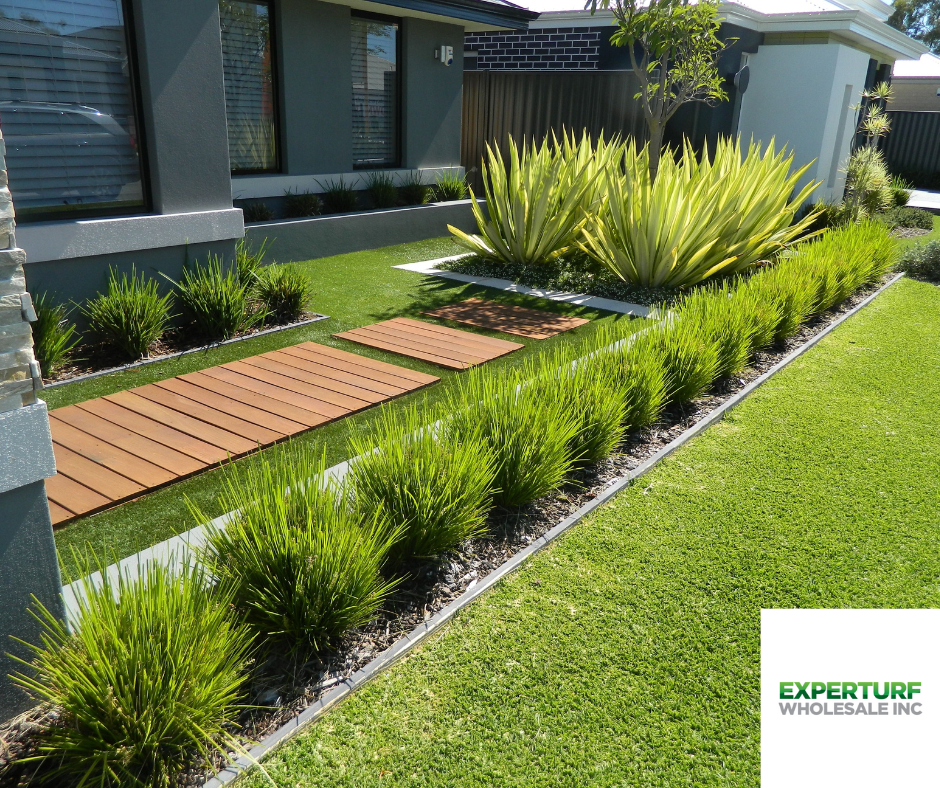
Creating landscapes entails making use of a number of vital aspects. These include shade, lines, and texture. Using these in your landscaping design can make your spaces extra visually attractive and satisfying.
Color is one of the most noticeable element of a landscape. Plants and shrubs can be found in a variety of shades, and your option will affect the look of your landscape. The shade of flowers can be enhanced by sunshine. However, the shade of a plant can transform from season to period. It is additionally influenced by the quantity of light and shade in the area. When designing your landscape, bear in mind to consider the 4 seasons.
Lines are a excellent method to establish dominance in your landscape. In addition to creating patterns, they can additionally manage movement and attract the eye through your space. Many developers use lines in their layouts to create an visual circulation. They may do this by producing upright or straight lines, curved or right, or perhaps a line that links two different products. Despite the kind, lines can help you achieve the ideal design.
Texture is the visual impact of rough or smooth surface areas. In a landscape, this can be represented by the visual structure of rockwork or mulch. A rugged surface can be vibrant and intimidating, while a great texture develops a fragile and soft result. Whether your design is composed of stones, trees, or blossoms, the ideal structure will produce a feeling of deepness and interest.
While line is one of the most apparent attribute, there are numerous various other landscape design aspects. As an example, shade is a significant consideration when designing a hardscape. Choosing a color design will provide your landscape deepness and dimension. You can likewise have fun with color mixes and contrast to highlight specific aspects.
Various other features consist of rhythm and order. Order is a idea of smooth linkage, while repetition is utilized to develop patterns and sequences in landscapes. Repetition is essential since it gives the customer a feeling of harmony and unity. Consistency is very important to ensure that each of the landscape’s elements work together. Rhythm is also vital to provide the feeling of a natural circulation, yet overcomplicating a design will reduce the efficiency of it.
One of the most crucial function of a line is its ability to lead the eye through the area. This can be achieved by a simple line, or it can be complex, as in the case of a long, streaming line. Vertical lines specifically can develop a sensation of movement. In a similar way, reduced lines can give a relaxing effect. Creating a equilibrium of these aspects will certainly lead to a balanced and aesthetically attractive landscape.
A few other crucial features of a line are its directional and unbalanced buildings. If you are dealing with a lot of different forms and structures, line can help you develop a natural motif and feel.
Developing an elegant and remarkable display is no simple feat. Although it is possible, you need to make sure that the design you pick is a representation of your design.